





Latest Blog & Articles

Food shows are a key opportunity for distributors to strengthen relationships, build loyalty, and drive sales—but success depends on early planning. Leading distributors begin preparing for spring food shows as early as Q2 of the previous year, while insights are still fresh and there’s time to secure vendors, venues, and strategy. Here’s why planning early matters—and the risks of waiting too long.

A data-backed playbook for supplier allowance negotiation: use your purchase history as leverage, structure the ask by program type, and track what you agree to.


How do you measure food show ROI? Track six metrics, from new-to-customer case sales to reorder lift, and calculate returns in profit, not foot traffic.

For foodservice distributors, annual food shows are a major investment—but they can deliver value far beyond the event itself. By turning food shows into year-round marketing platforms, distributors can increase supplier engagement, grow operator attendance, and create new recurring revenue opportunities. Here’s how leading distributors are making it happen.
THE PROBLEM
Your margins can’t afford manual.
ERPs weren’t built for foodservice rebate complexity. So your finance and procurement teams end up managing hundreds of programs across dozens of suppliers by hand. It’s slow, error-prone, and it’s costing you real money.

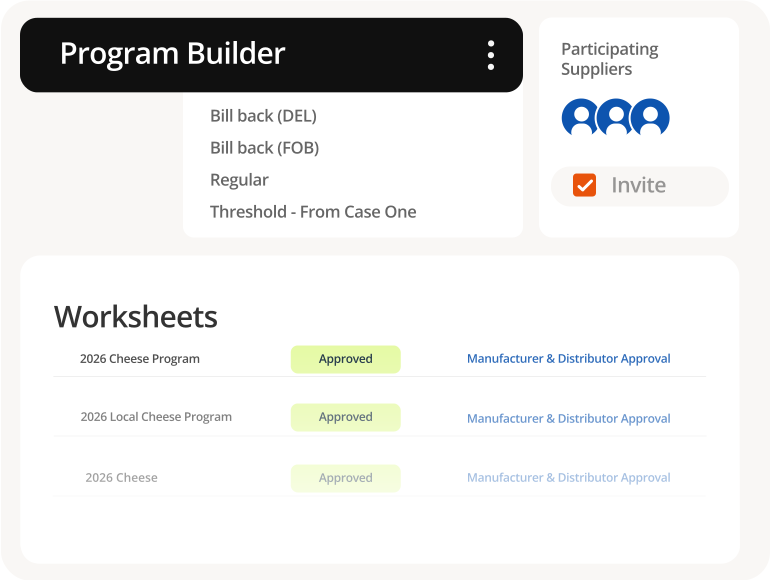
Redistributor sales, pass-throughs, buying group clawbacks, SLA exemptions — every program has dependencies your ERP can’t track. Miss one, and the rebate dollars you’ve already earned never hit your P&L.
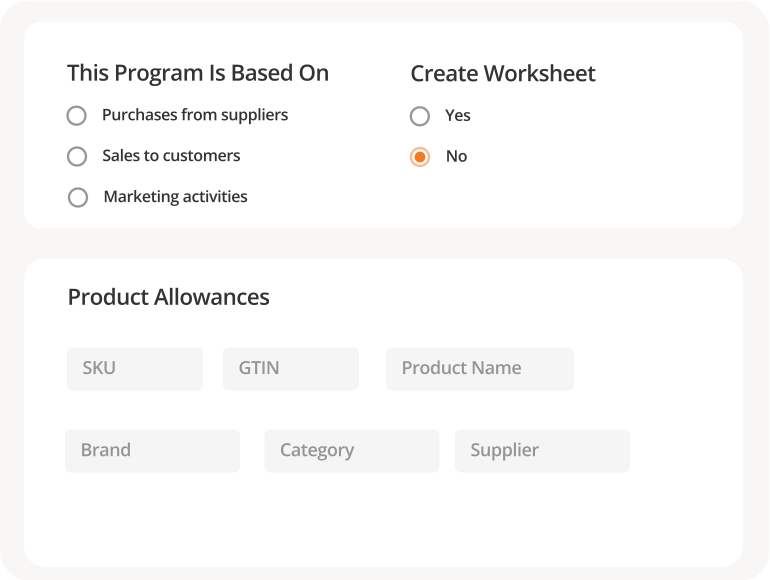
Manual reconciliation, disconnected data, and no single source of truth means margin leakage hides in plain sight. By the time Finance catches it, the quarter is over and the damage is done. Visibility is the first step — automation is the fix.
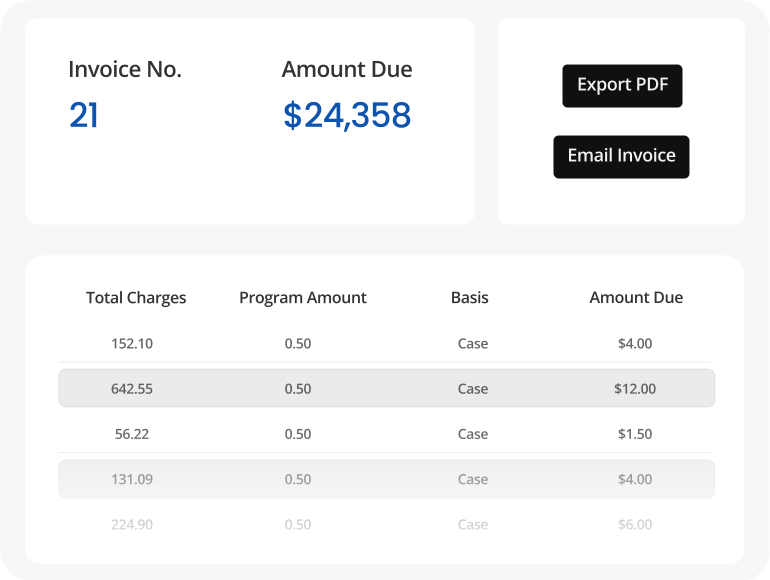
Paper-based invoicing and manual reconciliation means your finance team spends weeks — sometimes months — collecting what suppliers already owe you. That’s cash sitting idle, cash flow under pressure, and a team that should be analyzing margins instead chasing them.
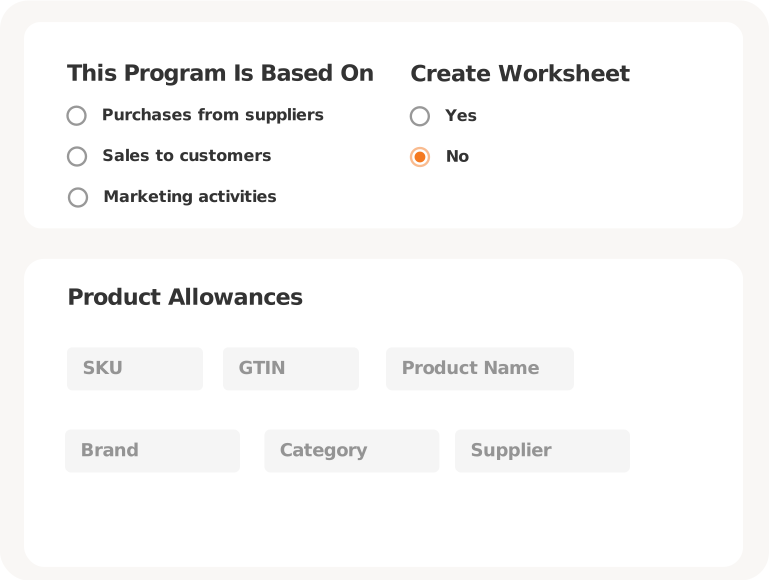
Consolidate all sales, purchase, and program data into a single source of truth. Identify and capture earned income that manual processes miss — redistributor sales, pass-throughs, samples, returns, and more.
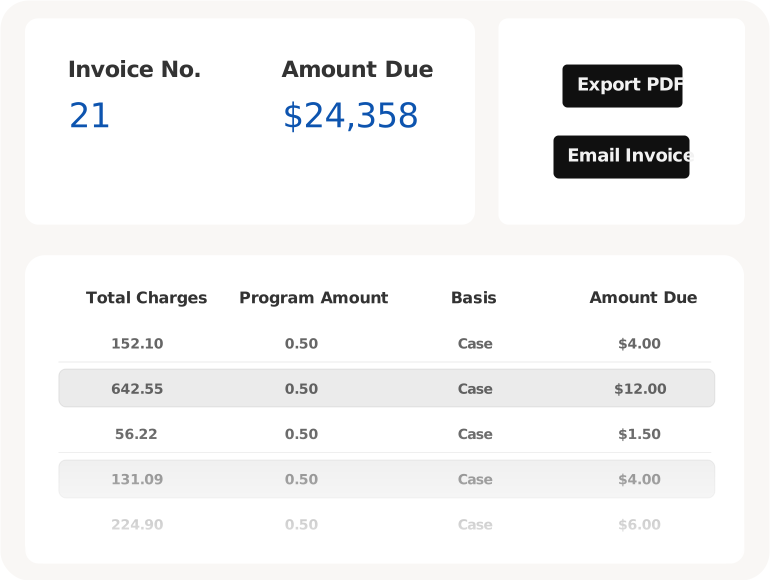
Replace manual tracking with automated rebate, allowance, and program workflows. Manage dependencies, clawbacks, and SLA exemptions in real time. Reduce errors and give your finance team hours back.
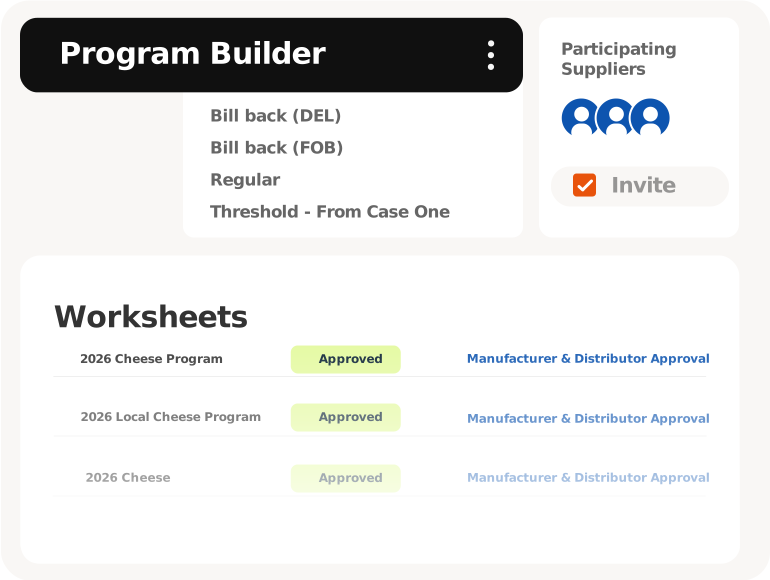
Negotiate with shared data. Resolve discrepancies faster. Unlock incremental revenue with real-time visibility into every supplier agreement, program performance metric, and outstanding claim.

Consolidate all sales, purchase, and program data into a single source of truth.Identify and capture earned income that manual processes miss — redistributor sales, pass-throughs, samples, returns, andmore.

Replace manual tracking with automated rebate, allowance, and program workflows.Manage dependencies, clawbacks, and SLA exemptions in real time.

Negotiate with shared data. Resolve discrepancies faster. Unlock incremental revenue with real-time visibility into every supplier agreement, program performance metric, and outstanding claim.
Consolidate all sales, purchase, and program data into a single source of truth.Identify and capture earned income that manual processes miss — redistributor sales, pass-throughs, samples, returns, andmore.
Replace manual tracking with automated rebate, allowance, and program workflows.Manage dependencies, clawbacks, and SLA exemptions in real time.
Negotiate with shared data. Resolve discrepancies faster. Unlock incremental revenue with real-time visibility into every supplier agreement, program performance metric, and outstanding claim.