



Trade shows have evolved. No longer just about setting up booths and collecting business cards, today’s events are high-stakes opportunities to generate leads, close deals, and drive revenue. Whether in-person, virtual, or hybrid, the tools you use can make the difference between a chaotic event and a well-oiled growth engine. With so many platforms available, how do you choose the right one? Here are the 10 essential features every modern trade show solution should have if you want to deliver results before, during, and after your event.
1. Personalized Customer Experiences
Generic event layouts are a missed opportunity. The best trade show platforms let you customize what each attendee sees, from tailored vendor displays to prioritized product recommendations.
Virtual attendees might log into a dashboard that highlights their preferred categories. On-site customers can be guided to booths that match their order history or current buying behavior. These personalized experiences not only improve satisfaction—they significantly increase conversions.
Platforms that support attendee-specific content delivery make it easy to design engaging journeys for every customer.
2. Real-Time Customer Alerts
Time is money, especially on the show floor. Your platform should give sales teams instant notifications when customers arrive, visit booths, or make specific inquiries.
Mobile alerts allow reps to respond in real-time, greet high-value clients immediately, and capture new orders while interest is fresh. These notifications can also signal when customers request support or are nearby, allowing for faster, more targeted engagement.
Real-time awareness transforms how reps move through the event—making sure the right conversations happen at the right moments.
3. Seamless Hybrid Support
The modern trade show spans both digital and physical spaces. That’s why a solution needs to support hybrid experiences—where customers can navigate vendor maps, browse deals, and place orders regardless of location.
From viewing a digital floorplan to accessing personalized offers from a mobile device, hybrid-capable platforms ensure no attendee is left behind. For sales reps, hybrid functionality means having access to live purchasing data to guide real-world conversations with up-to-date insights.
Hybrid flexibility meets the demand for convenience, accessibility, and real-time intelligence.
4. CRM Integration and Sales Enablement
Events generate a ton of valuable customer data—but only if it’s connected to your broader sales strategy. Look for trade show platforms that integrate with CRM systems and sales tools.
This integration allows your team to:
- Access real-time customer histories
- Record new commitments on the fly
- Launch timely follow-ups
- Track purchasing trends and event ROI
When event data feeds directly into sales pipelines, your reps can make smarter, faster decisions that drive post-show growth.
5. Easy Vendor and Deal Management
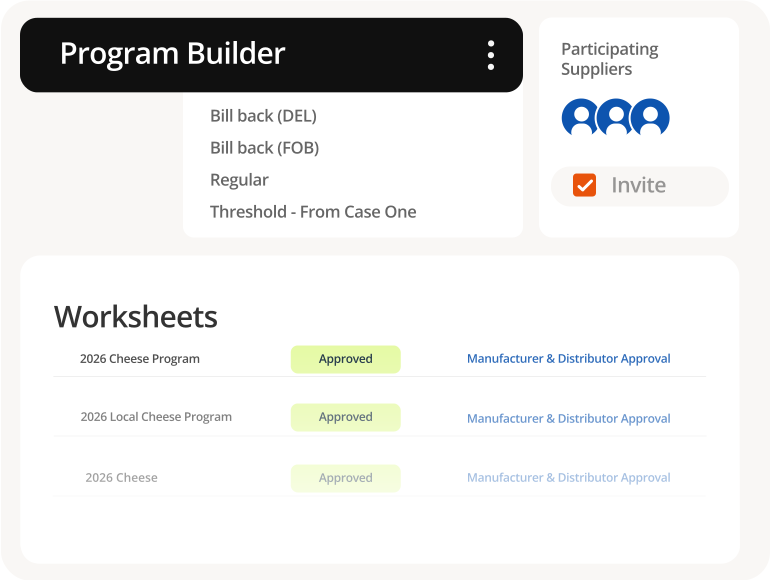
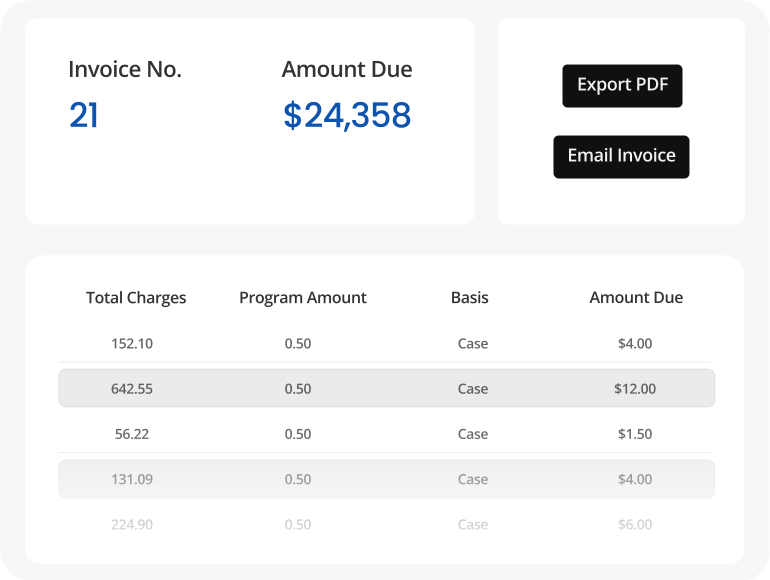
Managing dozens (or hundreds) of vendor offers is no small task. A top-tier trade show solution includes deal management tools that simplify supplier negotiations, track allowances, and compile commitments.
Key features to look for:
- Dynamic discount or allowance tools
- In-platform messaging between teams
- Centralized deal summaries
Real-time updates to contracts or pricing
Having all vendor commitments in one place reduces errors, ensures compliance, and helps your team stay organized and on schedule.
6. Post-Event Analytics and ROI Tracking
Your event’s success shouldn’t be based on a gut feeling. You need automated reporting that clearly shows what worked, what didn’t, and how to improve.
Look for platforms that provide:
- Attendance reports by segment
- Purchase behavior breakdowns
- Order commitments and fulfillment rates
- Allowance usage by customer
- Post-show follow-up engagement
These analytics help you calculate true ROI and build a better event strategy going forward.
7. Mobile-Optimized Tools for Sales Teams
Sales reps are always on the move at events. That’s why your solution should provide mobile access to key data like customer profiles, product availability, and commitment records.
Ideal features include:
- Order capture from a smartphone or tablet
- Mobile-friendly account histories
- Check-in tracking for attendees
- Alerts for follow-up or interest signals
When reps have everything they need in their pocket, they can spend less time searching for information and more time building relationships.
8. Built-In Marketing and Campaign Features
Trade shows often create a spike in interest—but without good follow-up, much of that momentum can be lost. Platforms that include digital marketing capabilities allow your team to stay engaged with leads long after the event ends.
Effective tools include:
- Email and promotion builders
- Behavior-triggered campaigns
- Segmented contact lists
- Cross-team collaboration between marketing and sales
This ensures every lead is nurtured based on their interests and actions, not forgotten once the booths are packed up.
9. Executive Dashboards for Leadership Visibility
Stakeholders need visibility into performance—ideally in real time. Solutions with executive dashboards provide high-level views of what’s happening across the event.
This includes:
- Sales activity by rep, category, or region
- Vendor engagement metrics
- Allowance usage trends
- Conversion rates by segment
With this level of insight, leadership can make informed decisions about strategy, staffing, and future investment.
10. Dedicated Event Support and Training
A powerful platform means little without the right support. The best trade show solutions come with onboarding, training, and live support to ensure your team is confident and prepared.
Support teams should understand your industry, help troubleshoot issues in real time, and offer strategic advice to help you get the most out of the platform.
Having an experienced team behind you transforms a good solution into a great one.
Wagner Food Service Streamlines Food Show Operations with Trade Show
Amanda Parton, Marketing Manager at Wagner Food Service, had a clear challenge when she inherited responsibility for coordinating all company events: "We were doing it the old-fashioned way—perforated registration sheets, thick and heavy show books, mailing vendors registration forms." With a lean team and growing demands, she needed to modernize the process. “My team members were working overtime for three months leading up to our food show… and we’d still end up using a brochure that was out of date the second it was printed.”
After switching to a digital trade show solution, Amanda saw immediate improvements: “Now this is completely digitized… my sales reps can register their accounts and see who's registered in real time.” Customers were no longer stuck in long registration lines or burdened with paperwork: “Now they pass through registration in under 60 seconds… and receive a curated swag bag instead of a large show book.”
The results were measurable. “This past show in April, the company sold over 800 new-to-customer cases,” she shared. “I had over 5,000 product likes within a five-hour time period… that’s all communication using Meal Ticket in the show booth.”
“I recommend Meal Ticket Trade Show technology so that you can streamline your event and provide data-driven statistics to your team and vendor broker community. Not to mention offering your customer a VIP experience from pre-registration to the day of the show,” she says.
The most successful trade shows are built on platforms that enable personalized customer journeys, real-time decision-making, strategic vendor coordination, and meaningful follow-up.
If you're evaluating event technology, look for solutions that combine CRM integration, mobile functionality, post-event reporting, marketing tools, and hybrid flexibility into one streamlined experience.
Maximize your trade show success with TrackMax+, by Meal Ticket. Ready to see it in action? Talk to an expert today.